


Central Texas is heading into dangerous heat territory on Thursday, with an Extreme Heat Warning in effect for the Austin metro, the San Antonio area and a broad swath of the Hill Country and South Texas plains — and forecasters warning that this summer’s first major heat event will hit especially hard because Texans have had almost no heat exposure to prepare for it.
The Warning and Who It Covers

The National Weather Service in Austin/San Antonio issued an Extreme Heat Warning in effect from noon to 8 PM CDT Thursday for 22 counties covering Austin, San Antonio, Georgetown, San Marcos, New Braunfels, Seguin, Bastrop, Lockhart, Gonzales, Uvalde, Eagle Pass, Carrizo Springs and Crystal City — a corridor spanning the I-35 corridor from Austin south through San Antonio and extending west into the border region.
Heat index values up to 112°F are expected Thursday afternoon — a reading that places Central Texas in the Extreme Danger category. At those levels, heat illness can develop rapidly even in otherwise healthy adults engaging in light activity.
The Critical Detail: No Time to Adjust
What makes Thursday’s event more dangerous than the numbers alone suggest is a warning in the bulletin itself. “Little in the way of extreme heat has been observed so far this Summer,” the NWS Austin office stated. “The risk will be higher with little time to adjust to the extreme heat.”
Human bodies adapt to heat over roughly 10 to 14 days of gradual exposure. When extreme heat arrives before that acclimatization has occurred, heat illness develops faster and at lower temperatures than later in the summer. June’s first major heat event consistently produces more hospitalizations per degree than equivalent events in July or August.
Austin and San Antonio Under Warning Together
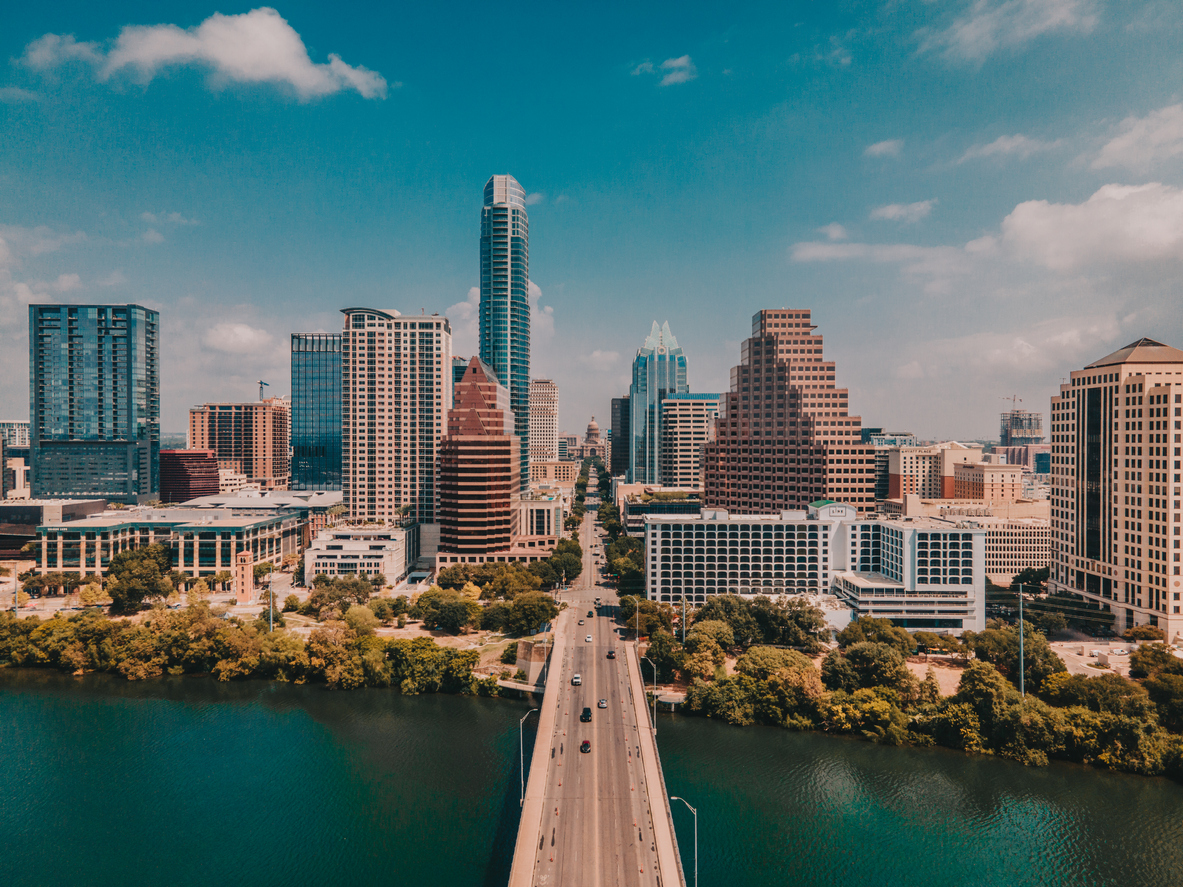
The simultaneous coverage of both cities under a single Extreme Heat Warning is notable. Both are already dealing with the urban heat island effect — where pavement, buildings and reduced tree cover amplify temperatures above surrounding rural areas. San Antonio, with a large proportion of residents without central air conditioning in older housing, and outdoor workers across the agricultural communities of South Texas, represent the highest-risk populations in Thursday’s event.
Staying Safe on Thursday

The NWS guidance: stay in air-conditioned spaces from noon to 8 PM, drink water before you feel thirsty, never leave children or pets in a parked vehicle — “car interiors will reach lethal temperatures in a matter of minutes,” the bulletin warns — and check on elderly neighbors and relatives.
For outdoor workers, OSHA recommends frequent rest breaks in shaded or cooled environments. Heat stroke — hot, red, dry or damp skin; rapid pulse; confusion — is a 911 emergency. Check weather.gov/ewx for any updates before the Thursday afternoon peak.

