


Italy recorded 476.9 million nights in tourist accommodation in 2025, and the boot-shaped country posted the EU’s largest rise in early 2026. By visiting attractions like the Colosseum, Vatican Museums, Uffizi and St Mark’s Basilica, arriving without a plan can cost hours.The rule is simple: reserve attractions that control entry by time, then shape the day around those fixed slots.
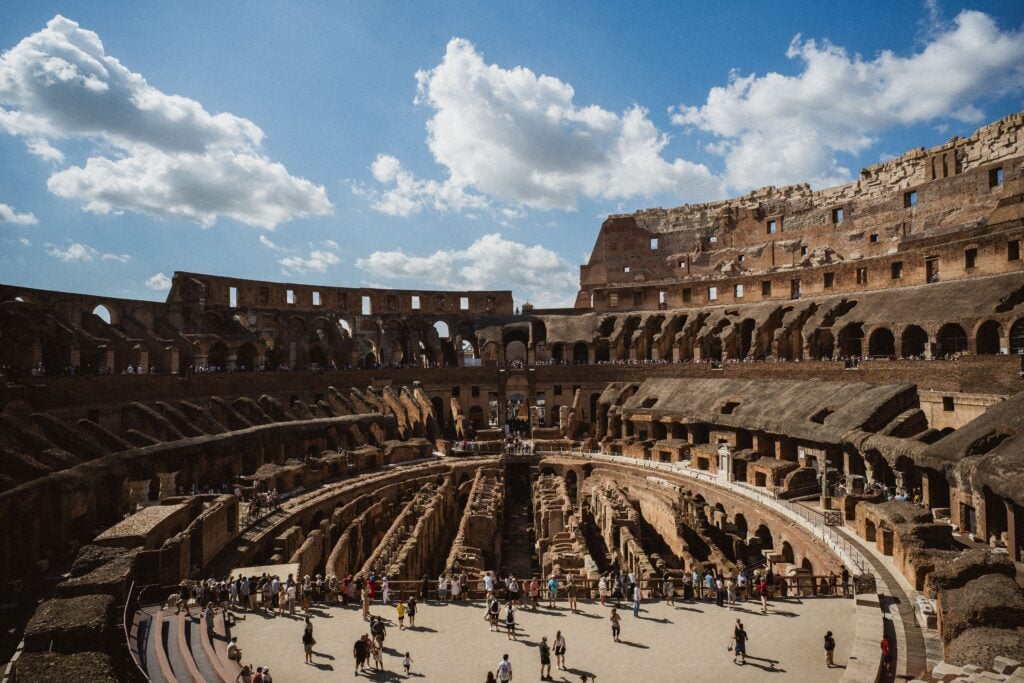
For the Colosseum, use the archaeological park’s official ticketing site. Timed tickets open 30 days before the visit, so set a calendar reminder. Underground, arena and attic options have the tightest capacity; treat them as the first booking of the trip.
The Vatican Museums sell tickets through their own portal. Choose a dated entry and remember that the museums and St. Peter’s Basilica have separate access. The current museum schedule runs from 8 am to 8 pm, Monday to Saturday, with final entry at 6 pm. Take the first slot for a cleaner start, or use the late afternoon when the morning is committed elsewhere.
At Florence’s Uffizi, reserve a named ticket and time through the official site. The gallery opens at 8.15 am from Tuesday to Sunday. The first slot earns the early alarm. From 4 pm, the official afternoon tariff is lower in 2026. Free-admission Sundays look tempting, but priority access is suspended and queues can absorb the saving.
In Venice, book through the official St Mark’s Basilica ticket office. Select the Basilica, museum, Pala d’Oro or bell-tower combination you will actually use. Tourist access starts at 9.30 am, while Sunday mornings are affected by services. Leave bulky luggage at the hotel or at a storage point.
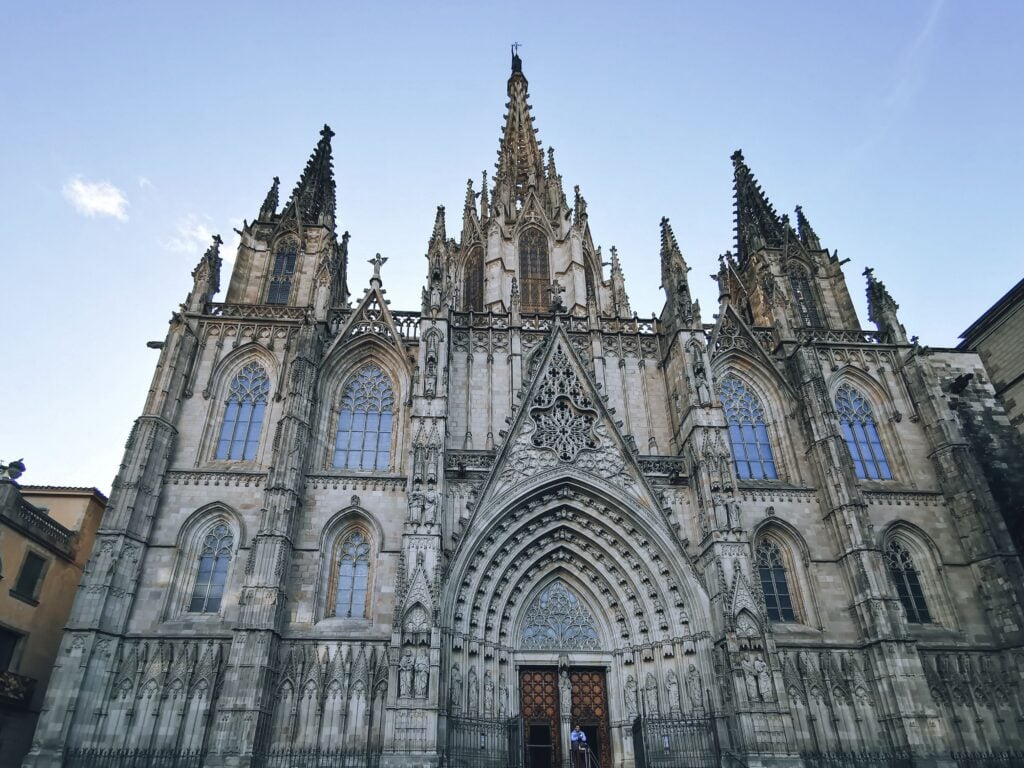
A timed ticket usually bypasses the ticket-purchase queue. Security screening, identity checks and short entry waits still apply. Arrive early enough to locate the correct gate, since joining the wrong queue can erase the benefit of a reserved slot.
Third-party guided tours make sense when official slots have sold out or when context matters. A strong guide can turn the Roman Forum, Vatican collections or Renaissance galleries from a sequence of objects into a coherent story. You pay more, move at the group’s pace and depend on the operator’s organization.
Before paying, check the named attraction, the exact entrance category, meeting point and what happens if the guide is late. Use accredited operators and read the cancellation terms. Any generic “priority access” without a precise gate, time and ticket type should be avoided.
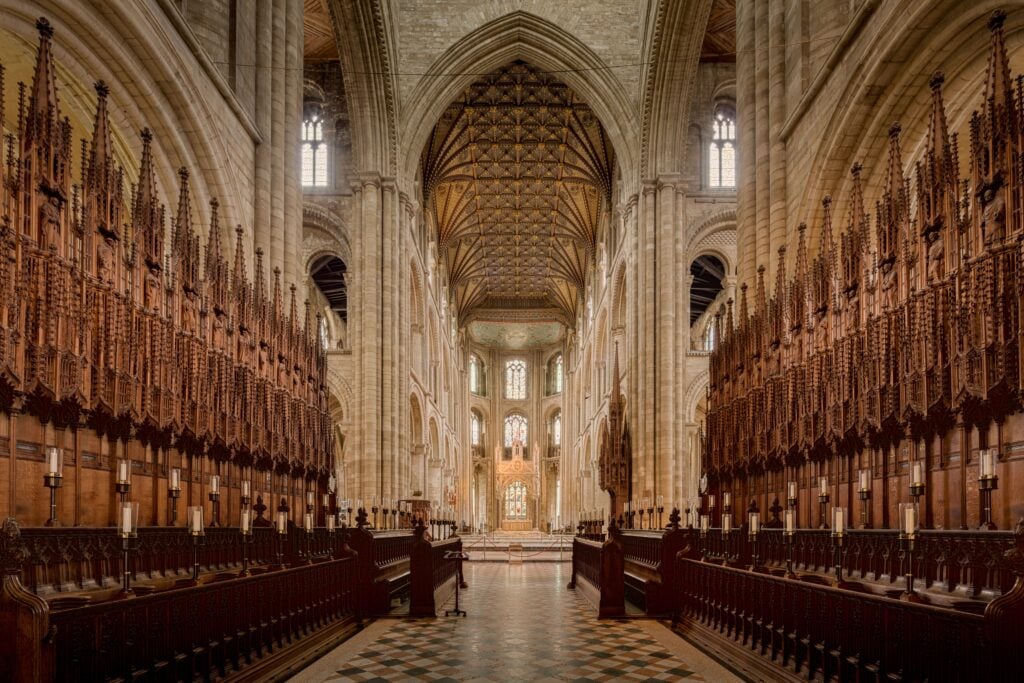
A pass saves time only when it fits the itinerary. Florence’s official Firenzecard covers more than 60 museums for 72 hours, yet major sites may still require reservations. Rome and Venice passes also differ in their transport, museum and church coverage.
Write down the places you will realistically visit, add their direct prices and compare that total with the pass, then check each reservation rule. Count public transport only when you would have to purchase it separately, and resist adding minor museums simply to justify the pass.
A pass bought for two headline sights often adds cost and another layer of administration. It makes more sense when several included sites fit naturally into one day.
Opening time is the most reliable crowd hack. Arrive 20 to 30 minutes before your slot with the ticket downloaded and identification ready. At the Uffizi, head first to the rooms you care about instead of joining the default flow. Eat before the Vatican; the collections can stretch a short visit into half a day.
Late access deserves attention too. The Vatican Museums stay open into the evening on regular operating days, and St Mark’s offers limited illuminated evening visits on selected dates. These programs change, so read the current official calendar rather than an old travel post.
A midday Colosseum slot can also work when tour groups pause for lunch. Carry water, use shade around the Forum and leave breathing room before the next timed entry.
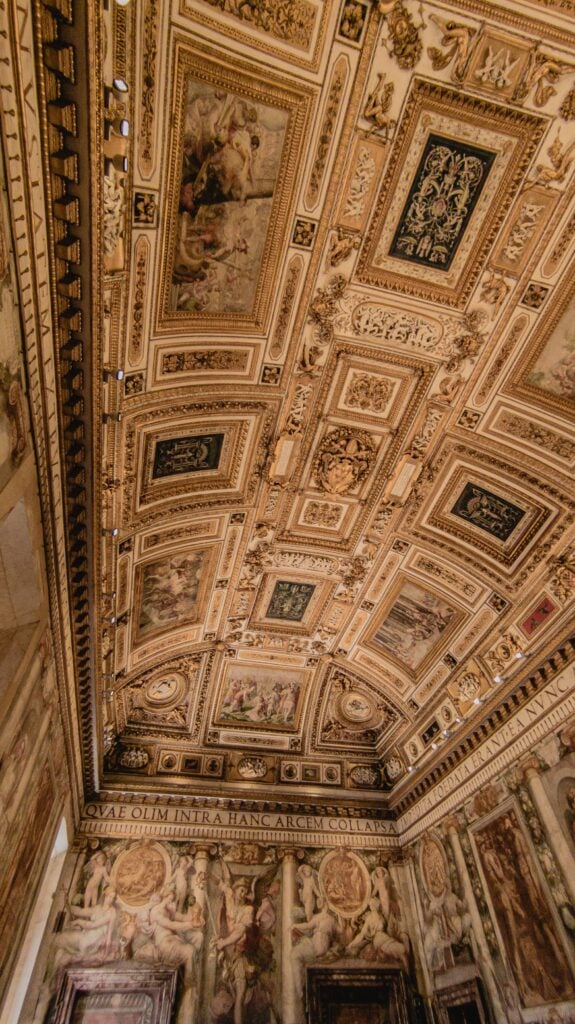
Italy’s major art cities sit on a high-speed rail spine. Central-station departures remove airport transfers, early check-in and baggage waits.
Book early for a wider fare choice, compare flexible and restricted tickets, and leave enough time when changing services. For a Rome – Venice itinerary, to save time, take a high-speed train between the two cities; the direct trip can take around 3 hours and a half. An early departure leaves a useful afternoon at the next destination.
Reserve the Colosseum and Vatican before anything else in Rome, with a separate half-day for each. Both involve security, long walks and enough detail to cause museum fatigue when forced into one day. Keep one evening free for an unplanned neighborhood meal.
In Florence, take the first Uffizi slot, then walk the historic center. In Venice, book St Mark’s early and keep the rest of the day loose enough to wander beyond San Marco.
Italy rewards spontaneity in its streets, cafés and neighborhoods; save that freedom for the places without turnstiles.

